Sedalia Council Hears Three Presentations Concerning: Bike Park, Cemetery & Airport
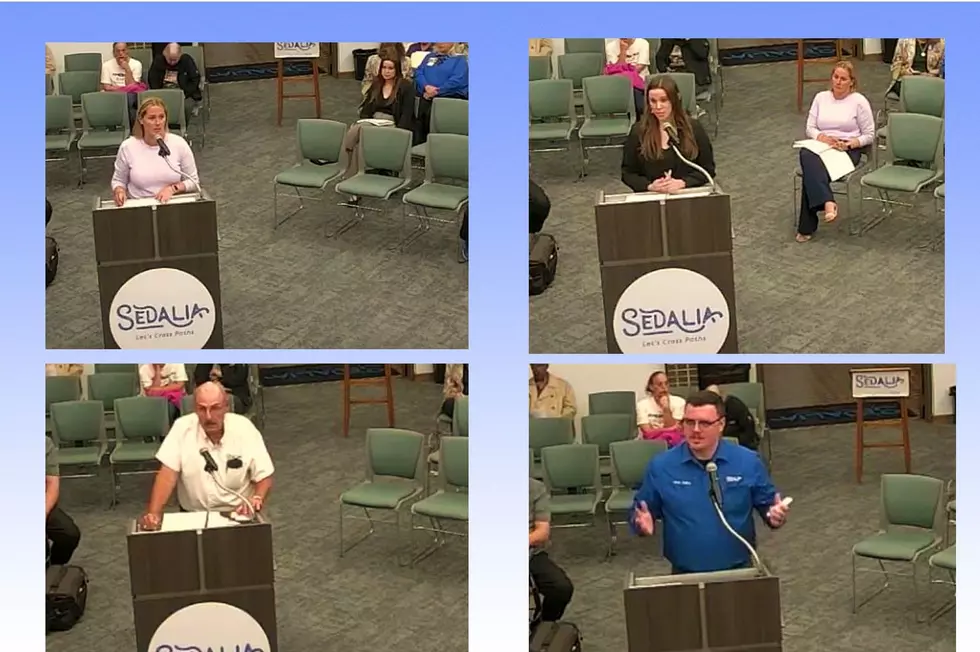
Sedalia City Council heard three presentations Monday night during their 95-minute meeting.
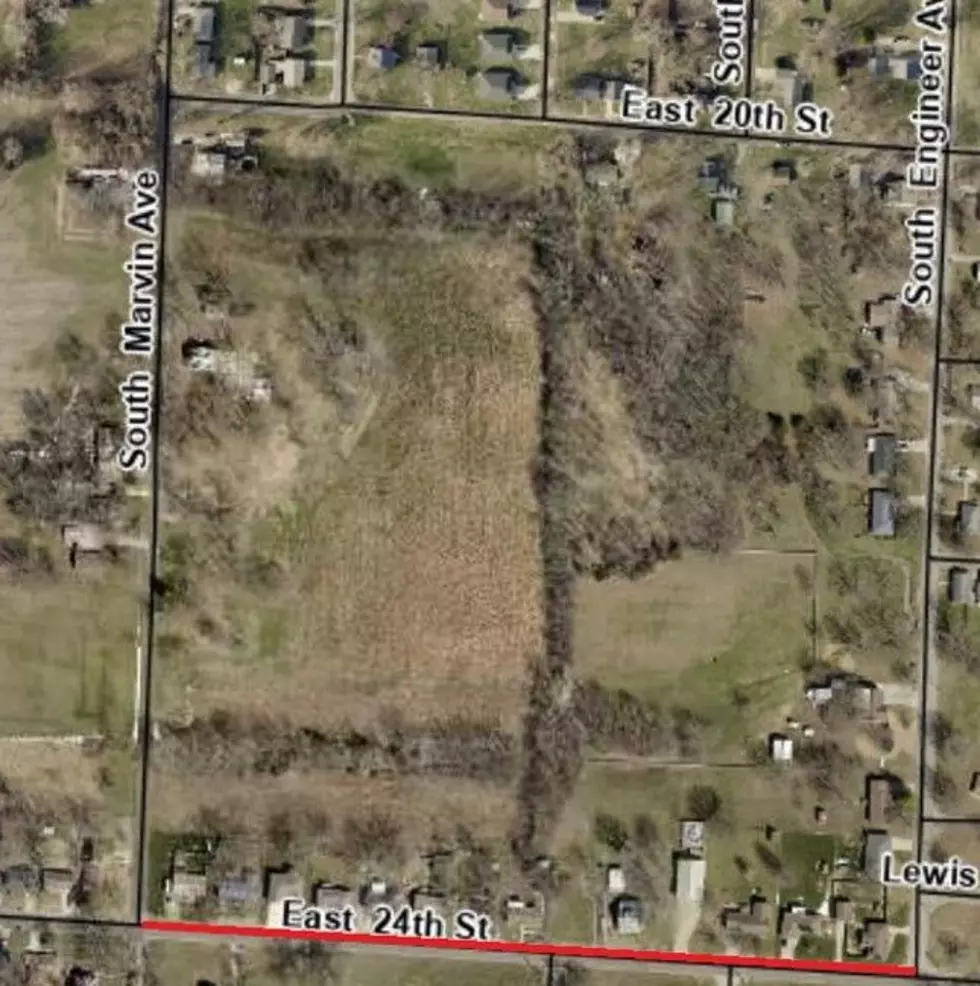
The first was a proposal for a bicycle park near 5th and Thompson Road from Nate Hooton.
Hooton wants to see the City-owned property developed into a trailhead destination for bikers using the Katy Trail. He cited other examples of this type of development that have occurred in other cities in Missouri (St. Charles, Marthasville and Rocheport), as well as in Texas and Colorado.
These existing bicycle-themed developments in other areas have inspired Hooton to pursue “cycling tourism” in Sedalia.

He expressed a desire for the City to sell him the property. The only question was for how much. Hooton added that he feels that a bicycle park would help the Katy Depot and the Midtown area through connecting with the still-under-construction “Katy Depot -- Liberty Park Connect Sedalia Project.”
The project would be developed in three phases that would be completed within three years, Hooton said, adding that he wants to explore the possibility of tax incentives and grants to fund his project, which will give visitors to Sedalia more options to explore the City.
He also pointed to a few annual cycling events that already happen in Sedalia, such as the Downtown Criterium in August, the Big Rub Gravel Race in July, and the Cyclocross Race at the Fairgrounds in December.

Hooton said he and his wife arrived in the Sedalia area in 2008 through being stationed at WAFB.
The second presentation Monday night came from Cemetery Director Roger Waters, who gave Council an overview of the operations at Crown Hill Cemetery, Calvary Cemetery and the Hebrew Cemetery.
At Crown Hill, he said, there have been 25,088 burials since the cemetery was founded in February of 1886. In 2026, there have been 79 burials so far as of the end of September.
Mowing crews work through the spring, summer and fall taking care of 70 acres that his department is responsible for, and in the winter, crews are busy clearing snow from the roadways in the cemetery and maintaining and repairing equipment that has broken down.
There are currently 1850 grave lots to sell in the new addition of Crown Hill, Waters said.
Calvary, established in 1868, currently has 3996 people buried there, within the confines of Crown Hill.
The Hebrew Cemetery has 236 people buried there. It was purchased by the City in 2001 and is located on South Grand.
He added that he has plans to create a cremation-only area on land that was purchased by the City in 2021 and located west of Veterans Memorial Drive. The area has plenty of trees that would make it more conducive for cremation burials, rather than casket burials.
A total of 32 niches of a 64-niche Columbarium have been filled so far, he noted. It was installed in March of 2023 and is the most recent one purchased. He told Council he would like to purchase a new Columbarium that has double occupancy. If ordered by April, it would be December of 2027 before it could be installed.
Bids for a Committal Shelter were scheduled to be opened Tuesday, Oct. 6.
Also plans call for security cameras to be installed on the property, including cameras at the main office, workshops and other areas of Crown Hill Cemetery.
The cost of a new Columbarium, security cameras and a new mower will be included in the upcoming budget request from the Cemetery Director.

The third presentation was delivered by Sedalia Regional Airport Director Mitchell Mullens.
One of Mullens’ many goals is to re-establish the Airport Advisory Board, adding that the previous board which eventually disbanded, “didn’t do much."
Mullens also noted that PAPI needs to be replaced at the airport.
PAPI stans for Precision Approach Path Indicator and is a visual aid system used in aviation to help pilots maintain the correct glide path during an approach for landing. It consists of a set of lights positioned beside the runway, displaying combinations of red and white lights. The colors indicate whether the aircraft is too high, too low, or on the correct approach path.
When pilots see two white and two red lights, they know they are on the correct glide slope.
The old lights are outdated and need to be replaced with LEDs, he said.
The taxiway on the south side is badly in need of repair. If a new taxiway was built that matches the north parallel taxiway, it would run through wetlands, which would create additional problems, Mullens told the Council.
The FAA’s discretionary fund program does not rank taxiways as a priority, unfortunately for Sedalia, so money for repair is scarce.
A rehab for the airport’s FBO is also needed.
FBO stands for Fixed-Base Operator, which is a commercial business granted the right by an airport to operate on its grounds and provide essential services to private, charter and business aviation. You can think of an FBO as a private jet terminal combined with a service station for aircraft. Instead of using crowded commercial airline terminals, many private flyers use an FBO for a faster, more private travel experience.
Key services provided by an FBO typically include:
*Aircraft Fueling: Supplying aviation fuel, often delivered directly to the plane by a fuel truck on the ramp.
*Ground Handling: Managing aircraft parking, towing, tie-down, and baggage handling.
*Hangar & Storage Space: Housing aircraft indoors for protection or long-term storage.
*Passenger Amenities: Offering private lounges, refreshment areas, concierge support, and direct car-to-aircraft access.
Mullens noted that Sedalia Regional sees between 9,000 and 10,000 operations per year. He would like to see a re-branding of the airport as well, with a new logo and website.
More From AM 1050 KSIS